Rooted in an excavation of the overlaps, entanglements, and variegations between history, memory, and the moving image as witness / co-conspirator / resistance, PARAFICTIONS is a film programme that seeks to address the slipperiness of what it means to articulate truth(s), and surface the subterranean logics of how histories are made and propagated.
27 NOV 2021 – 5 DEC 2021 / Digital, Malaysia Only
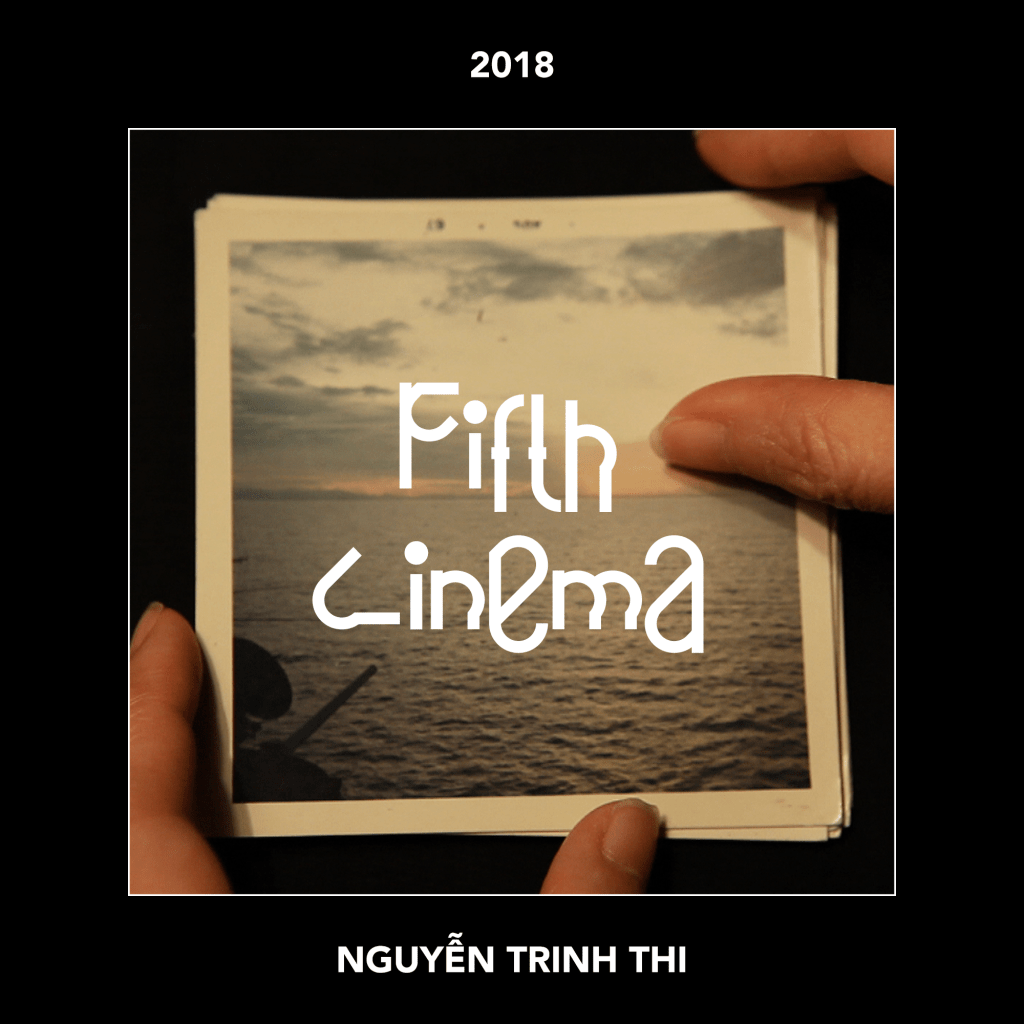
dir. Nguyễn Trinh Thi
Vietnam
Un-narrated but neither voiceless nor silent, Fifth Cinema begins with a declaration: “I am a filmmaker, as you know,” that draws from celebrated Maori filmmaker Barry Barclay’s seminal assertion and coinage of the term ‘Fourth Cinema’, meant to delineate an indigenous cinema that departs and separates from the coloniality of the First, Second, and Third Cinema. This essay film by noted Vietnamese filmmaker and artist Nguyễn Trinh Thi traverses topographies of histories, truths, and landscapes to probe at the messiness of representation and the cinematic apparatus. Blending archival footages, snippets from the annals of contemporary cinema, and documentations of both communities and landscapes of Vietnam, Fifth Cinema shapeshifts relentlessly towards a thoughtful contemplation of what it means to be seen – and on whose terms are one visible.
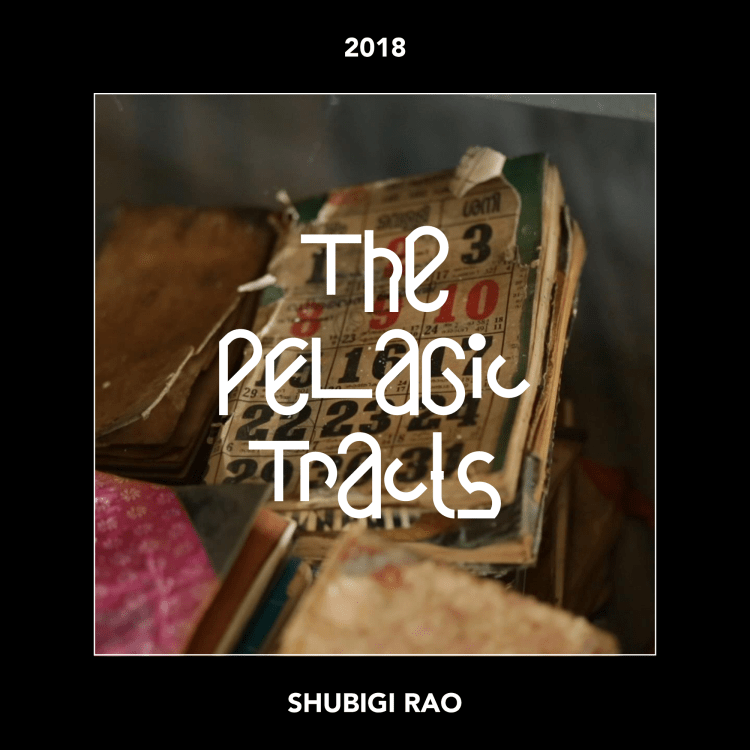
dir. Shubigi Rao
Singapore
A sensuous, luscious, and at times verily sardonic dive into the depth of the histories of book-smugglers in Kochi, The Pelagic Tracts skilfully deploys the mechanics of myth-making to examine the ways through which colonial powers battle for primacy via the destruction of knowledges, both materially and immaterially. Digging her fingers into the unravelling seams of the historical and the historicised, Singaporean artist Shubigi Rao elegantly conjures the spectre of a fictional colonial officer and his non-fictional imperial thirst for dominion and its textual affects before banishing it in favour of a softer, more hopeful survey of epistemic survival. Embedded within these sheets of paper, soiled by age, corroded by waters, The Pelagic Tracts excavates the fragile history of books as both object and social metaphor to tell the tale of loss, displacement, and ultimately, resilience.

dir. Shireen Seno
Philippines
Laying bare the possessive impulses that characterise both photography and colonialism, To Pick A Flower unpacks the complex dynamics of image-making, image-makers, and those whose images are made in an essay film that spans sixty-seven photographs from across the colonial history of the Philippines. Understated, but suffuse with a wry humour, Filipino filmmaker and artist Shireen Seno ruminates in a sensible murmur over the course of the film, splicing in research findings, familial anecdotes, and personal reflections that underpin the ubiquitous impact of coloniality which shaped the natural Philippine environment and made of it a warehouse of the empire. As Seno notes, ” [i]t’s beautiful and you want to take it, but you are killing it at the same time,” the thousand words a picture speaks could be an inventory, a decree, a death sentence.
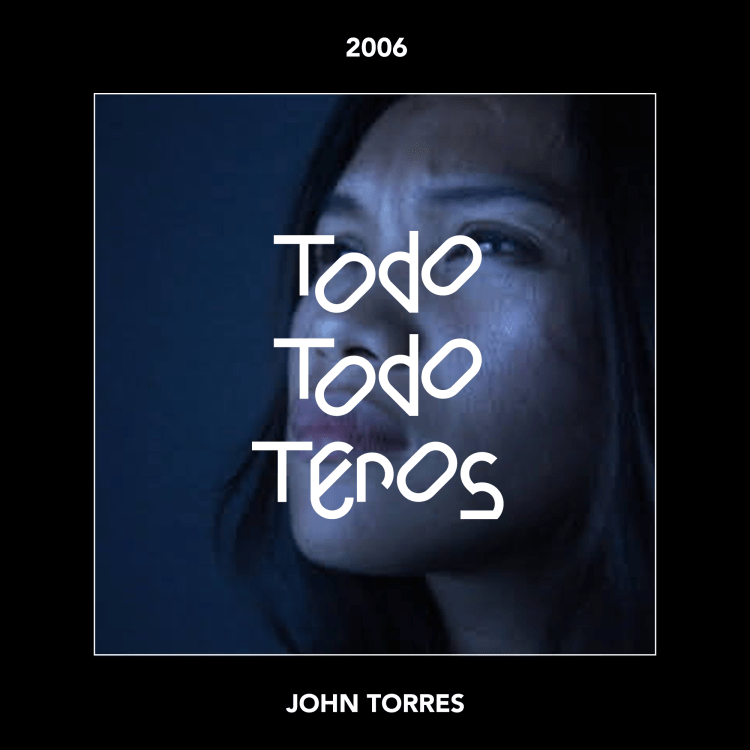
dir. John Torres
Philippines
An eclectic amalgamation of poetic fragments, thwarted romantic drama, terrorist autofiction, and an almost ethnographic lens trained on Manila in the early Noughties, Todo Todo Teros defies classification with a wilful, chameleon spirit that channels the enormous power that truths wield over facts. At times slyly playful, at times painfully honest, Filipino filmmaker and artist John Torres meticulously sculpted a guerilla invocation of desire that characterises the can-do zeitgeist of an era, bringing together the squishy, confessional mode of a reflexive chronicler and the cool-headed clinicality of the experienced collagist. This film is a jigsaw puzzle cut with three or more moulds, each allowing for a new whole to be made, a new picture to be seen, a new secret to uncover.
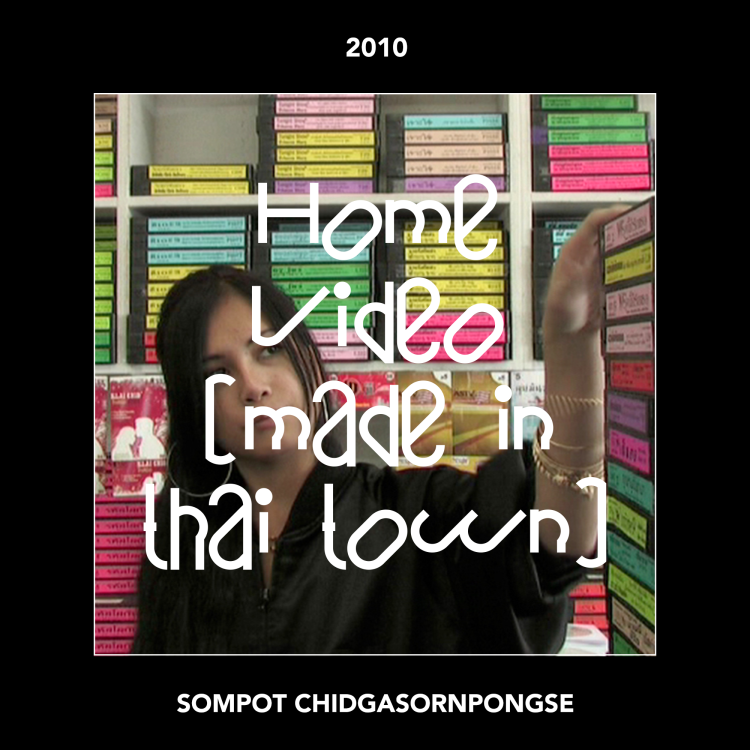
dir. Sompot Chidgasornpongse
Thailand
Quiet and introspective, Home Video (Made in Thai Town) probes intimately at the materiality of social and cultural memories by locating them in a specific spatial context: a Thai video shop in downtown Los Angeles and its treasure trove of VHS tapes that recorded all sorts of Thai films, TV series, and variety shows of that era. Made at the cusp of a digital transformation that will soon mark a paradigm shift of the media landscape globally, Thai filmmaker Sompot Chidgasornpongse sensitively explores how identity, history, and rootedness are products of mediations contingent on the abject reality of physical medium, their tenacities, but also their fragilities. Toying with the visuality of a (dis)located site of cultural specificity, we witness the ebb and flow of Thai sentiments, Thai nostalgia, Thai visitors finding a piece of home to take away and then to return—here Chidgasornpongse shrewdly, but no less tenderly, expands not just the definition of video, but also of home, for what is home but where we find refuge, even temporarily.
dir. Harryaldi Kurniawan
Indonesia
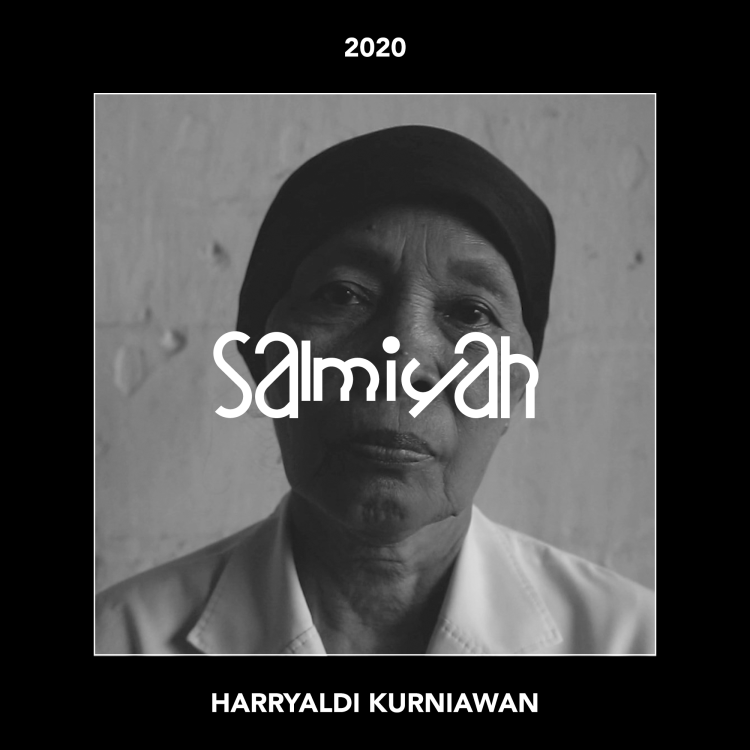
Diving into the entangled nature of a historiography, and how it interfaces, interacts, and intercepts the granular narratives of personal memories, Salmiyah is a subtle exercise in interrogating the making of histories as a process laden with choreographies and scenographies—utilising the lexicon of the performative to sketch how the past is described and inscribed. Working with a formal essayistic register, Indonesian artist and filmmaker Harryaldi Kurniawan proposes reenactment as a way of exposing the (contra)dictions inherent to essentialising the past. By focusing on the disjointed and the discontinuous, Salmiyah posits that history is but a useful fiction, stitched together from piecemeal voices and a political will to fabulate.
 Centre for Urban Mythologies